
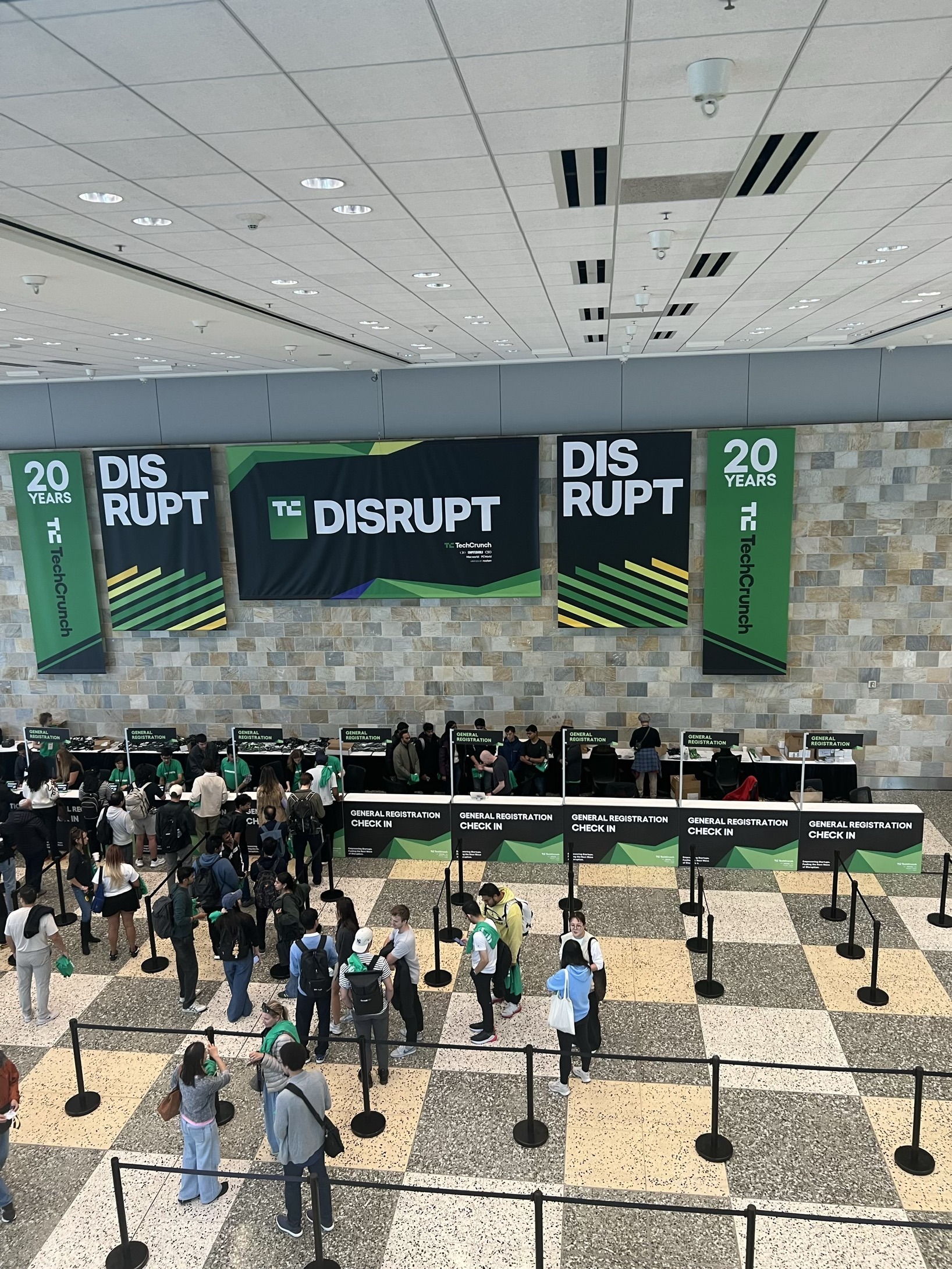
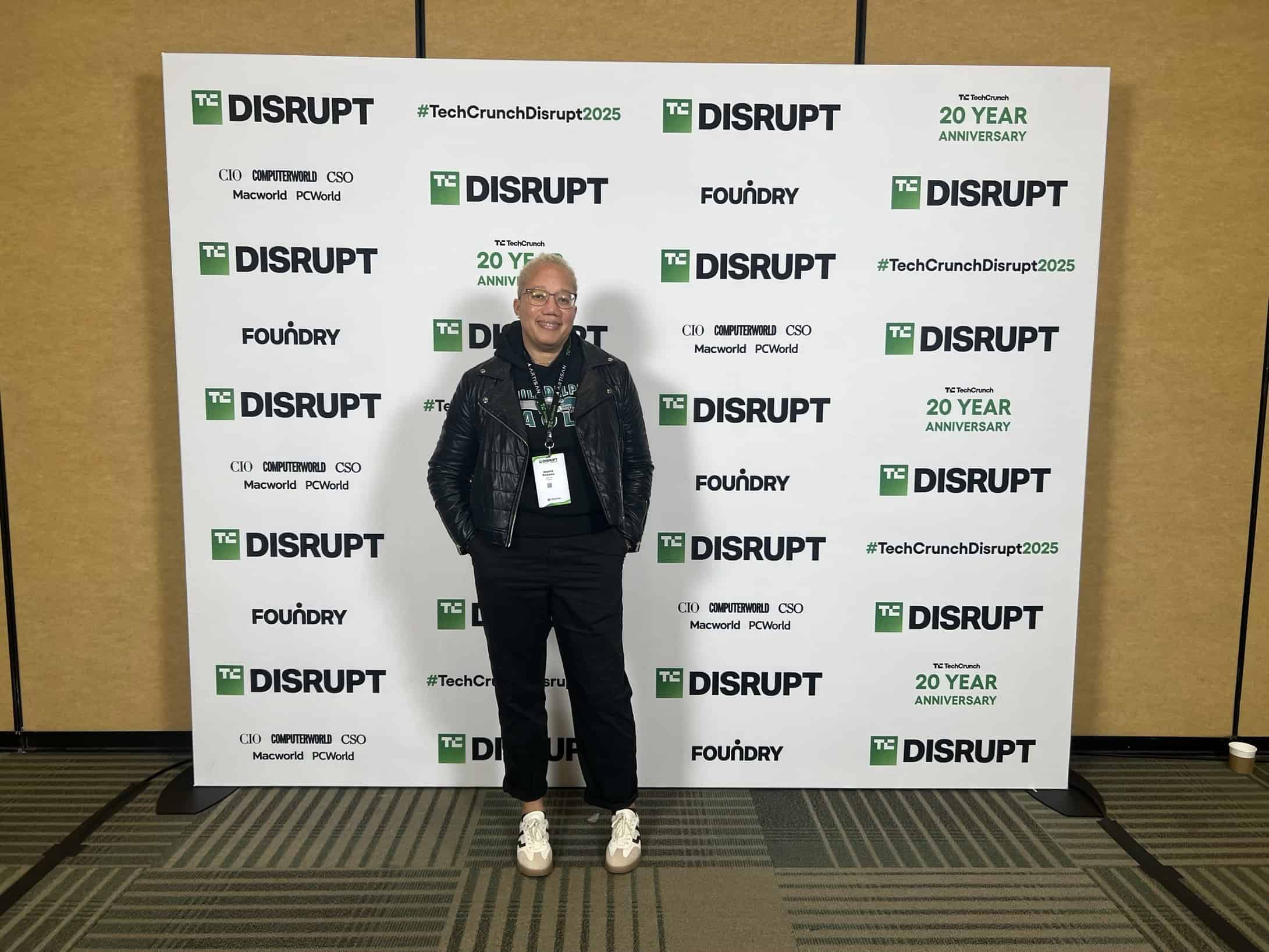
After years of helping other companies shape their narratives – from early-stage startups to established enterprises – I thought I had a pretty good sense of how the tech world moved. As a former journalist turned founder of a strategic communications consultancy, I’ve spent much of my career helping innovators clarify their message, articulate their brand vision, and connect authentically with audiences across every channel.
But this time was different.
Attending TechCrunch Disrupt 2025 wasn’t about covering the story. It was about living it. For the first time, I wasn’t just helping someone else craft their message; I was building my own, from the ground up. Building is building, yes – but building something that redefines how we use technology to tell stories is an entirely different challenge.
I’ve never fit the traditional mold of a tech founder. My path wasn’t through engineering or venture capital; it was through curiosity, drive, and a deep belief that connection is the most powerful technology we have. That perspective shaped how I experienced Disrupt, not as an outsider, but as someone bringing a different lens to what innovation really means.
The conference floors buzzed with energy. Endless demos, AI agents, developer tools, and CRMs as far as the eye could see. But beneath that noise, what I felt most was a shared hunger: to imagine the world 30 years out and start building it now.
Through that lens, three themes emerged for me. These insights both validated how I’ve been thinking about technology and challenged me to push even further: purpose, adaptability, and meaning.
1. The Founder Reset: Building First, Funding Later
One recurring message at Disrupt this year was simple but radical in its honesty: build first, fund later. Many of the founders who spoke, and even a few investors, admitted that the era of raising on vision alone is fading. Bootstrapping isn’t just a badge of honor anymore; it’s a strategy for clarity.
Companies like Mailchimp, Zoho, and Microsoft remind us that great businesses often start quietly, with focus, not fanfare. These companies built for people first: their teams, partners, and customers. They failed, figured it out, and tried again.
There was a collective sense that “money is not the purpose anymore – the purpose is the purpose.” That line resonated with me. It echoed a deeper truth about building in this moment: that chasing investment too early can distract from solving the right problem.
At Conforma, we’ve been learning that lesson firsthand – iterating not on a fixed solution, but on the problem itself. Every conversation with a client, creator, or marketing team reshapes what we’re building. That 80/20 balance between product and pitch suddenly makes sense. Build for purpose first, then for scale.
2. Defining Moats in the Age of AI Abundance
Vinod Khosla’s talk, No Filters: The Future of Tech, stood out for its mix of optimism and provocation. He said something that hit hard: “A defensible moat is trickier to do as an AI startup.”
It’s true. In a world where access to the same models and infrastructure is democratized, differentiation must come from something deeper. Not just algorithms or scale, but from cognition, creativity, and community.
Khosla’s advice to founders was to think carefully about what large models won’t cover and build there. He called it “betting on cognition.” To me, that means doubling down on understanding the human layer: how people interpret, feel, and connect.
Today’s moats are built from culture, adaptability, and trust. They’re less about proprietary code and more about how far ahead a team can think. For us, that has meant exploring how technology can adapt to people not the other way around. In an era of abundance, adaptability itself becomes the moat.
3. Capital, Cognition, and Meaning
Khosla also posed a bigger, almost existential question: If AI makes everything abundant, what will give people meaning?
By 2035 or 2040, he predicted that healthcare, education, and legal services might all be free — their costs driven down by automation. Productivity will be near limitless, but purpose might not keep pace.
That question lingered long after the session ended. For founders, it reframes the “why” behind our work. We’re not just designing products; we’re shaping how people find meaning in a world of automation.
This connected with a later session on rethinking startup capital. The data was sobering – less than 3% of companies pull in 60% of all VC dollars. Yet what stood out wasn’t frustration, but determination. The founders who spoke weren’t waiting for permission. They were building systems that mattered, even if they had to bootstrap on $50.
The takeaway: capital is changing, cognition is evolving, and meaning is the next frontier. Innovation will belong to those who align technology with human purpose and who remember that abundance without empathy is just noise.
Looking Ahead
I felt a shift walking away from Disrupt. The conference floor wasn’t just about the next big thing; it was about rediscovering why we build at all.
The next era of innovation won’t be measured by who raised the most or who shipped first, but by who connected meaningfully. Founders who can bridge technology and trust, intelligence and empathy will define what comes next. That starts with one intentional decision at a time.
Read the full series:
- Notes from the Edge: TechCrunch Disrupt 2025 (you’re here)
- The Founder Reset: Building First, Funding Later — Published as a LinkedIn article. Read it here –>
- Cognition and Meaning: A Thanksgiving Reflection on AI and Identity
