
Part of my “Notes from the Edge” series – reflections from TechCrunch Disrupt 2025.
Thanksgiving has a way of pulling everything into perspective. Even in the whirlwind of building, fundraising conversations, product deadlines, and constant AI acceleration, this week forces a quiet pause. A moment to look at what matters and why.
And maybe that’s why the third theme that emerged for me at TechCrunch Disrupt feels especially timely right now: What happens to identity and meaning when the idea of work changes?
AI is accelerating, but identity can’t be automated
At Disrupt, Vinod Khosla made a bold prediction that by 2035 or 2040, AI could drive costs down so dramatically that healthcare, education, and even legal services might become effectively free. Productivity will expand. Output will multiply. Many forms of “work” will shift or disappear.
The room was excited, unsettled, curious – all at once. The moment led to another question:
Where does meaning come from when efficiency stops being our core value?
That question stuck with me these last few weeks and it feels even heavier during a holiday built on gratitude, reflection, and connection.
Founders are already feeling this shift
The founders I met at Disrupt weren’t just talking about product-market fit. They were talking about identity, about who they are becoming as AI reshapes the expectations of what we build and how we build it.
Many of us aren’t just constructing products; we’re constructing new versions of ourselves.
The roles we once used to define our worth – “strategist,” “operator,” “builder,” “creator” – are being stretched and blurred.
And with that evolution comes a quieter, more personal question: What does it mean to contribute in a world where AI can do the same things we once saw as uniquely ours?
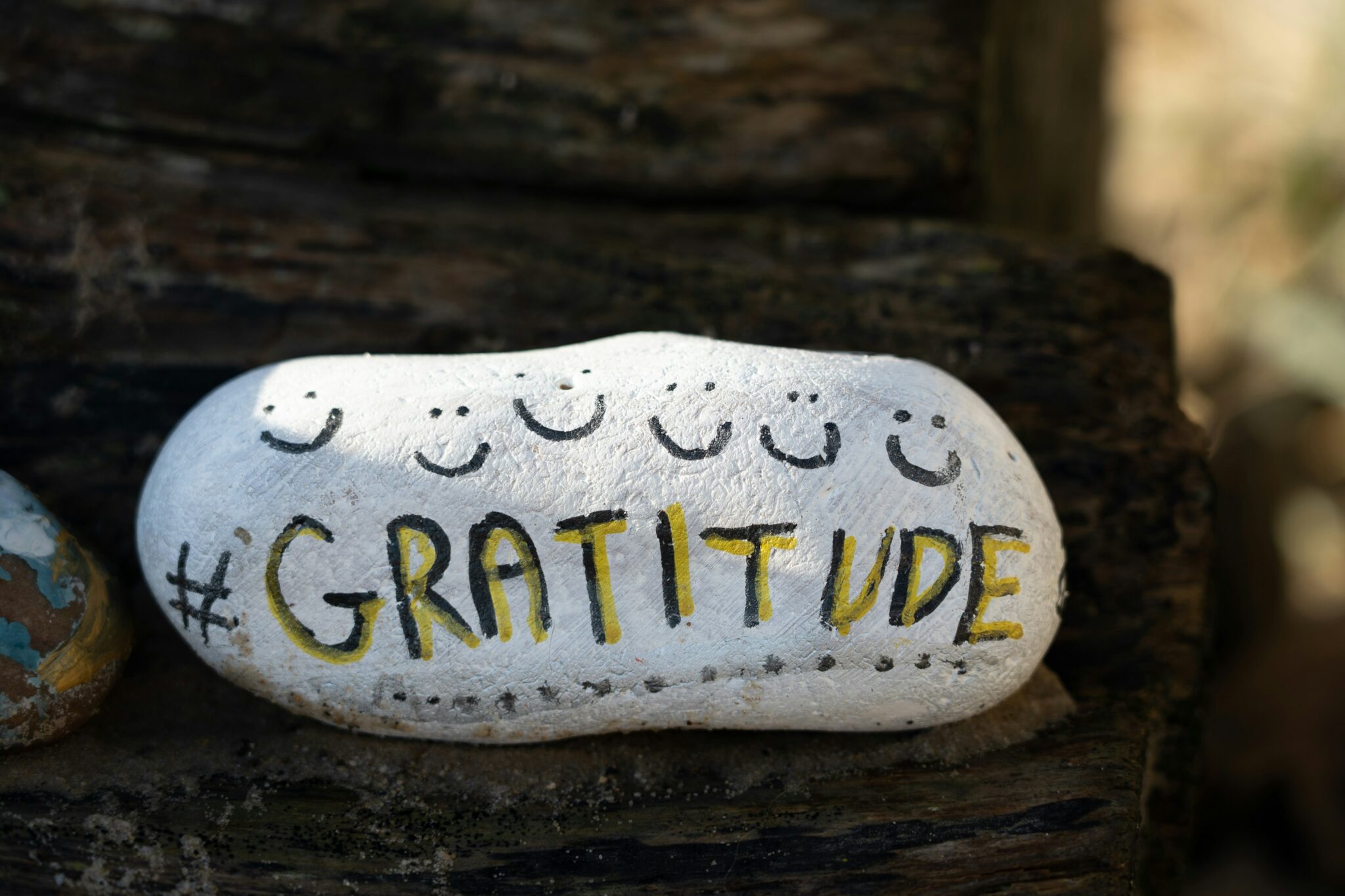
Gratitude is grounding – and strategic
This is where Thanksgiving becomes unexpectedly relevant.
Gratitude isn’t just a feeling. It’s a foundation.
It anchors identity in things that don’t shift when technology shifts.
It reconnects us to what’s real:
- The people who support us
- The purpose behind what we’re building
- The human moments that shape our leadership
- The values that outlast tools, trends, and algorithms
As AI becomes more entrenched in our lives, gratitude becomes less of a holiday ritual and more of a practice – something we return to for clarity, direction, and meaning.
And it’s a reminder that while AI can scale tasks and systems, it cannot scale what it means to be human. It cannot scale empathy, intuition or connection. Those things remain ours.
My own identity shift and why gratitude is part of it
My own journey from journalist to strategist to founder has been one long exercise in reframing identity. For years, I helped others find their voice and articulate their vision. Now I’m the one doing the building – from concept to product to team.
Conforma wasn’t born from a fascination with AI; it was born from a real human need. A need I saw across clients and industries. There was a gap that kept showing up in how teams communicate, connect, and reach people in meaningful ways.
The technology matters, but the why matters more. And staying connected to that why takes gratitude, the kind that keeps you grounded enough to build with purpose, not panic.
Yes, AI will change work. It already is. But the meaning behind our work – the part that ties us to each other – that remains fully human.
And that’s what I’m grateful for this year: The builders, thinkers, creators, and doers who are embracing this shift with openness and courage.
This reflection wraps up my three-part series shaped by the ideas, conversation and questions that emerged during TechCrunch Disrupt 2025 and the weeks that followed.
If you’d like to revisit the earlier pieces:
Notes from the Edge: TechCrunch Disrupt 2025
The Founder Reset: Building First, Funding Later
Published as a LinkedIn article.
