Solving the Patient Education Puzzle
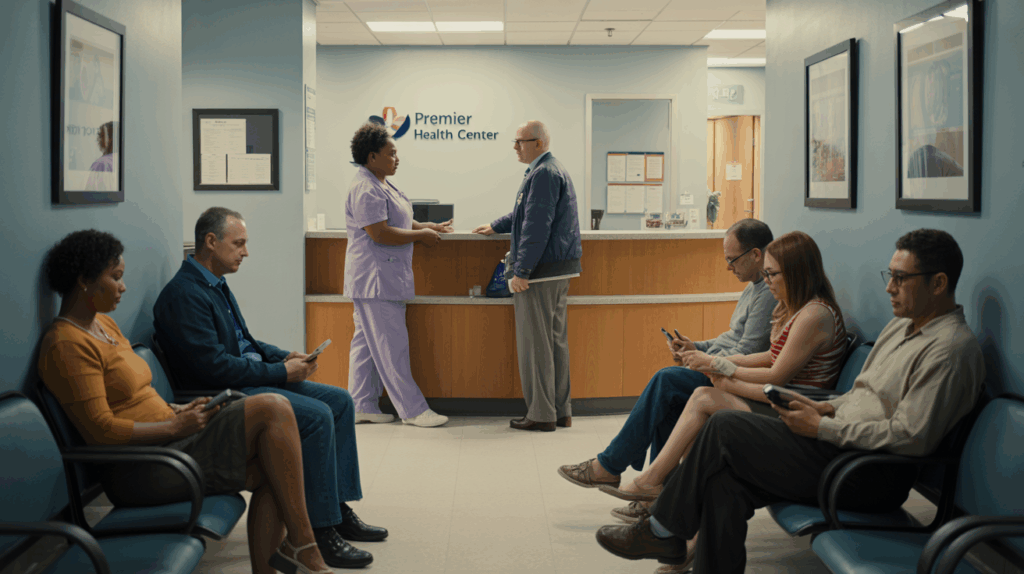
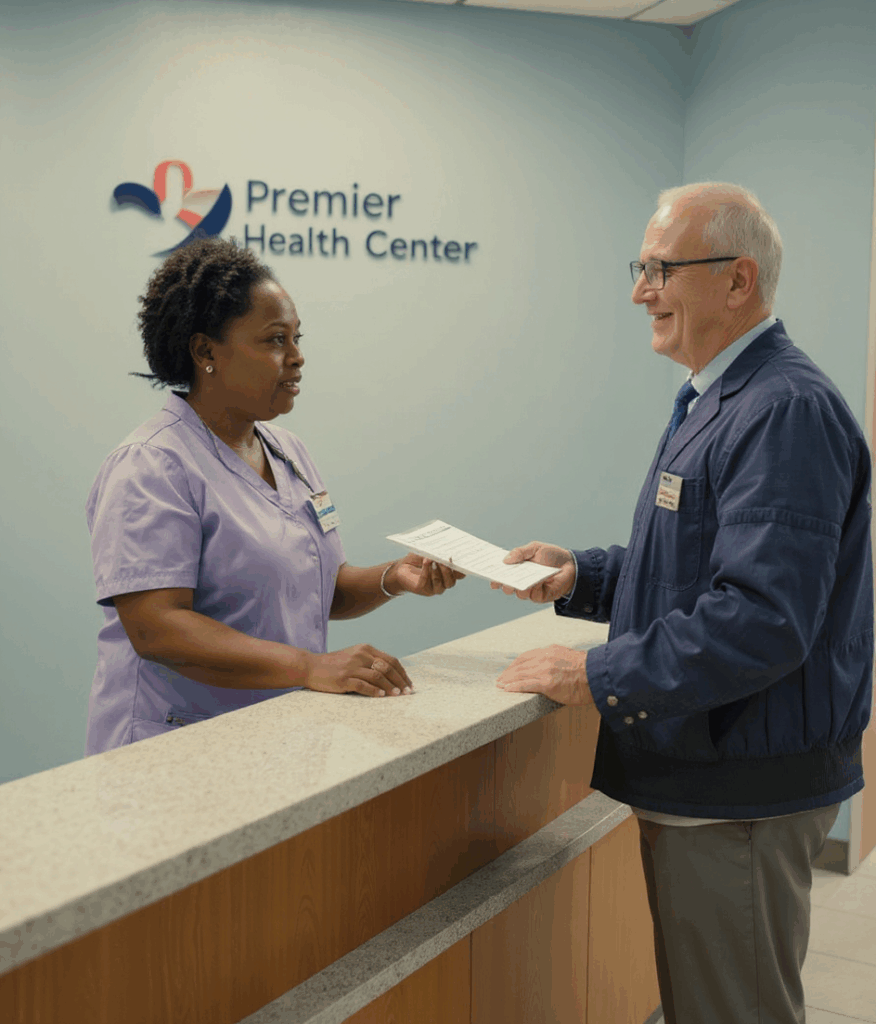 Linda Sullivan was at her wit’s end. For the third time that morning, she’d fielded a call from a patient asking whether they could take ibuprofen with their new blood pressure medication. The information was clearly outlined on page four of their discharge packet. But who was she kidding? Nobody reads page four.
As Health Information Manager at Premier Health Center, Linda had spent years perfecting those patient information packets. Every word vetted by physicians, every warning highlighted, every instruction triple-checked for clarity. Yet patients kept calling with questions that proved they weren’t reading the materials. The concerning part? They were missing critical safety information about their conditions and medications.
The Breaking Point Came on a Tuesday
A diabetic patient had been discharged with comprehensive materials about blood sugar management. Two weeks later, they ended up in the ER with hypoglycemia because they’d “never been told” about the warning signs. Linda pulled the file. Right there, pages six through eight, everything about recognizing low blood sugar. The patient later admitted they’d only skimmed the personalized care plan, tossing the rest because it looked like “generic medical stuff.”
Linda decided to ask patients what was going wrong. She sent out a simple survey asking why they weren’t reading the educational materials. The responses were brutally honest. “Too long.” “Boring.” “Looks like a textbook.” One patient wrote, “I’m already overwhelmed from my diagnosis. The last thing I want is homework.”
Here’s Where Things Got Interesting
Linda kept seeing the same statistic: people retain 95% of information from video compared to just 10% from text. She’d noticed her teenage daughter studying using YouTube videos rather than textbooks. What if patients could choose how they wanted to learn?
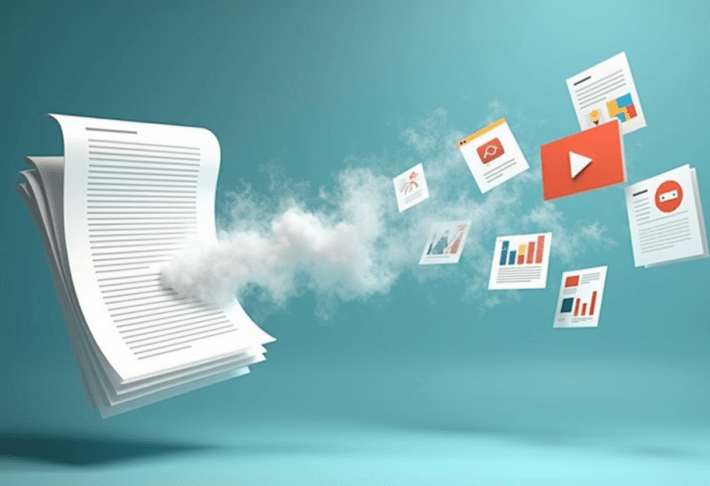
That’s when she discovered Conforma. The platform could take those walls of text about heart disease or diabetes and transform them into bite-sized videos, audio clips, infographics, and condensed summaries. Better yet, it embedded everything in a multimedia bar that gave patients options.
Linda started with the basics that everyone skipped. The standard explanation of hypertension. The medication guides for common prescriptions. She uploaded the approved text into Conforma, and within minutes, each piece had multiple formats available.
The QR Code Revolution
Instead of overhauling their paper systems (because some patients still want physical copies), Linda added QR codes to the printed packets. Scan the code next to “Understanding Type 2 Diabetes,” and you’re watching a three-minute animated video that explains insulin resistance better than five pages of text ever could. Prefer listening during your commute? There’s an audio version. Visual learner? Check out the infographic.
The digital patient portal got the same treatment. Every educational article now had that Conforma bar at the top, letting patients pick their format. Linda noticed something fascinating in the analytics: older patients gravitated toward audio options, younger ones loved videos, and nearly everyone appreciated the text summaries for quick reference.
The Numbers That Made Everyone Pay Attention
Within three months, Premier Health Center saw changes that made even skeptical doctors take notice. Portal engagement with educational content jumped from 15% to over 60%. More than half their patients were actually consuming the health information provided.
But here’s the real kicker: general inquiry calls dropped by 42%. The nursing staff, who’d been drowning in basic questions about medication timing and dietary restrictions, suddenly had bandwidth for complex patient needs. The front desk stopped hearing “nobody told me that” because patients were getting the message in formats they’d actually engage with.
What This Really Means
Linda’s success isn’t just about technology or digital trends. It’s about recognizing a fundamental truth: medical information is only useful if patients actually absorb it. You can write the most comprehensive, medically accurate patient education materials in the world, but if they’re sitting unread in someone’s recycling bin, what’s the point?
This approach doesn’t throw away carefully crafted content. Those physician-approved texts, those evidence-based guidelines remain the foundation. Conforma just packages them in ways that match how people consume information in 2025. Some patients will always want the full text, and it’s still there. But for everyone else, there’s finally another way.
Linda recently presented at a regional health information conference. Her closing slide showed a patient testimonial: “I actually understand my condition now. The video made it click in a way those pamphlets never did.”
Sometimes the best solutions aren’t about creating more content. Sometimes they’re about meeting people where they are, even if that’s watching a three-minute video while waiting at soccer practice instead of reading a medical textbook at home.
This story is a fictionalized composite representation of actual events relaying the impact Conforma and the digitization of patient information is having within the healthcare space.